Common Washing Machine Breakdowns and How to Prevent Them
It might be surprising, but even such reliable home appliances as washing machines can malfunction. While we rely on them daily to keep our clothes clean and fresh, over time, they may encounter various issues. Understanding the common causes of washing machine breakdowns can help you take preventative steps and avoid costly repairs. Let’s take a look at the most frequent problems and how to prevent them.
Top Reasons Washing Machines Break Down
Improper Use of the Washing Machine
Frequent misuse is one of the most common causes of breakdowns. Overloading the drum, choosing the wrong wash cycle, or using too much detergent can all damage the internal components.
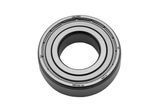
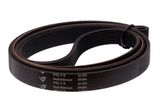
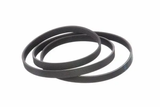
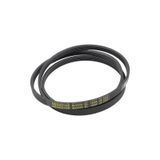
When the drum is overloaded, water can’t circulate properly. This puts excessive pressure on the drive belt and bearings, leading to wear and failure. Always follow your washing machine’s load capacity recommendations.
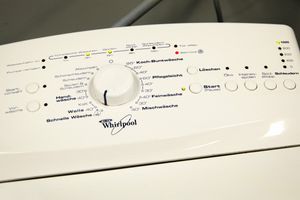
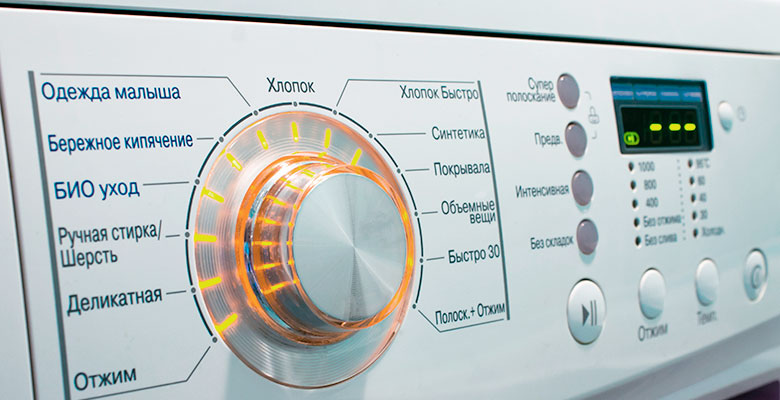
Additionally, using the wrong washing mode can affect the performance and lifespan of both your clothes and the machine. Delicate fabrics may require gentle cycles, while heavy-duty fabrics might need higher temperatures and more aggressive agitation.
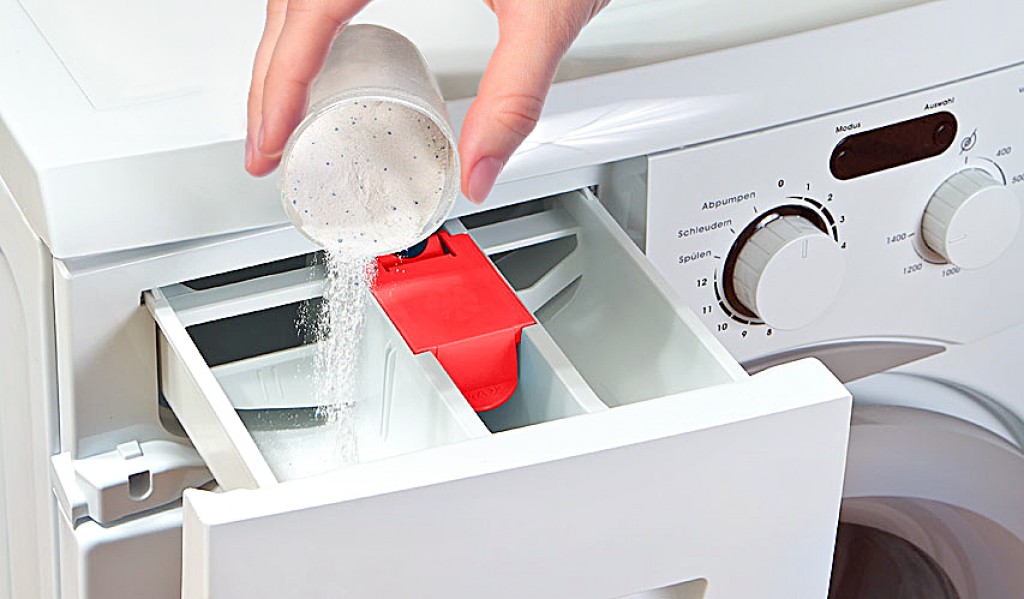
Excessive detergent can create too much foam, leading to pressure imbalances and eventual component failure. On the other hand, too little detergent may not clean your laundry properly. Always follow the dosing guidelines on your detergent package.
Electrical Issues
Power fluctuations or unstable electricity supply can cause malfunctions or damage to internal electronics. Before installing a washing machine, ensure your home has a stable power supply. A voltage stabilizer is a worthwhile investment to protect your appliance from unexpected power surges.
Wear and Tear of Parts
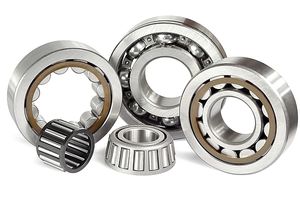
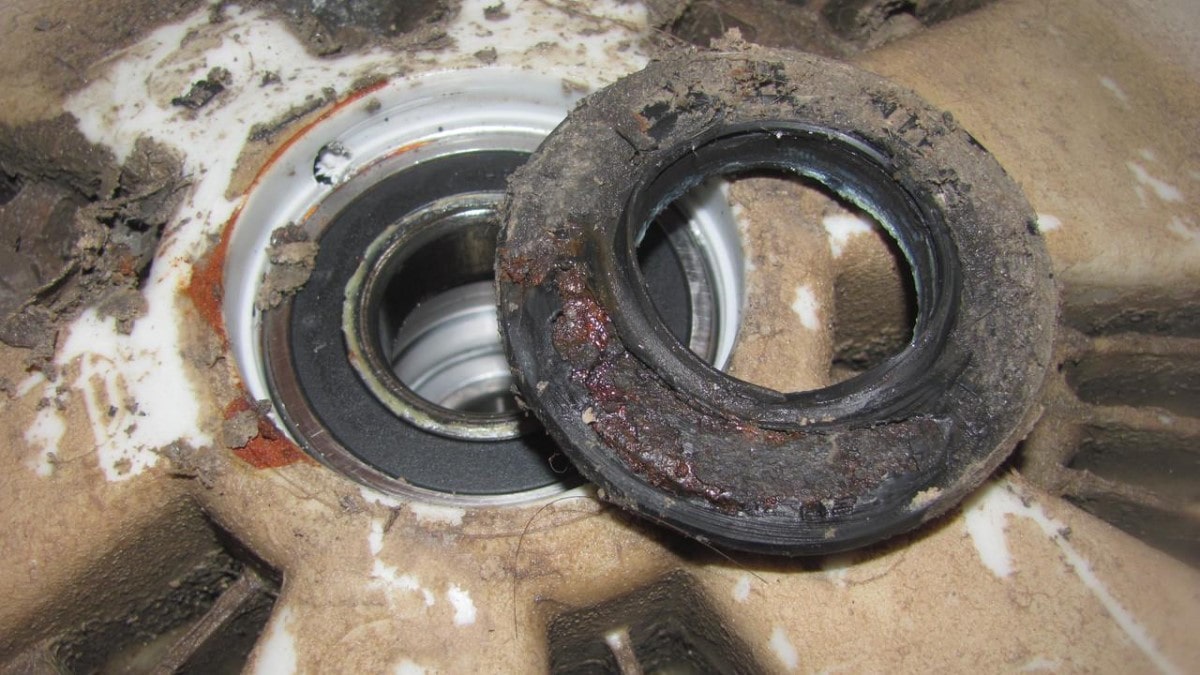
Like any other machine, continuous use causes components to wear out over time. Drive belts, bearings, and heating elements are the most vulnerable. Regular maintenance and inspections can help you spot early signs of damage and replace worn parts before a full breakdown occurs.
Typical Malfunctions and Their Symptoms
Motor Failure
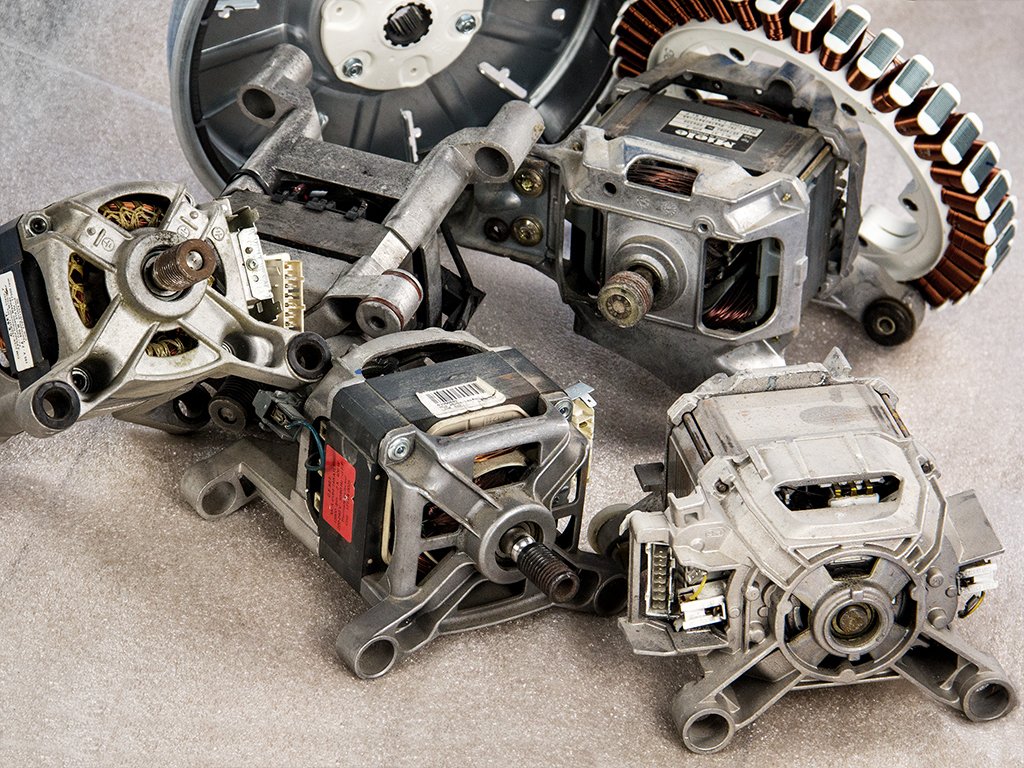
One of the most serious failures is motor breakdown. Symptoms may include unusual noises, a non-spinning drum, or a machine that doesn’t respond at all. In this case, it’s best to contact a certified technician to diagnose and replace the motor if needed.
Spin Cycle Issues
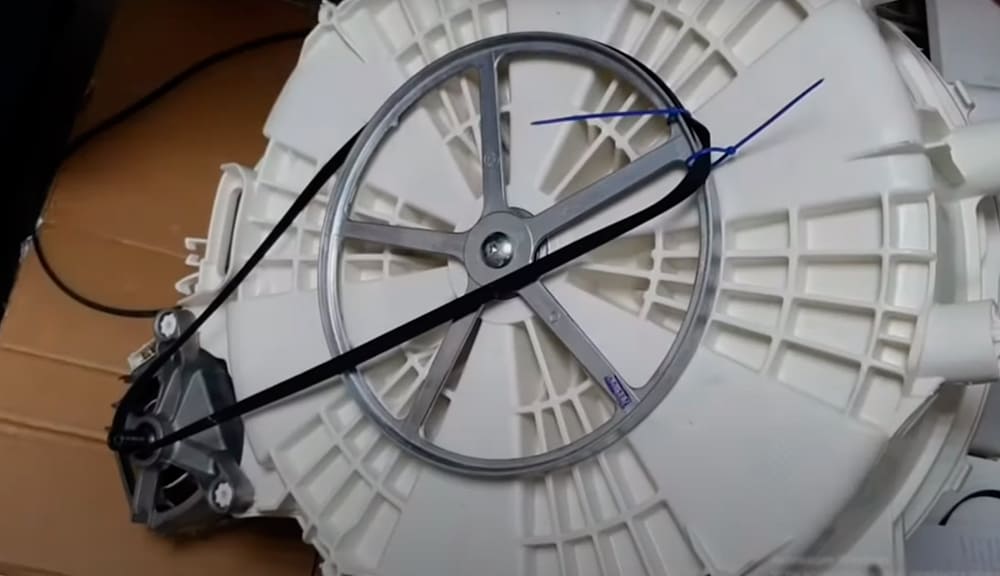
If your clothes come out too wet, the spin cycle might not be functioning properly. This can be caused by clogged filters, damaged drive belts, or electronic control board problems. Have a technician check the spin system if you notice wet laundry after the wash.
Heating System Malfunctions
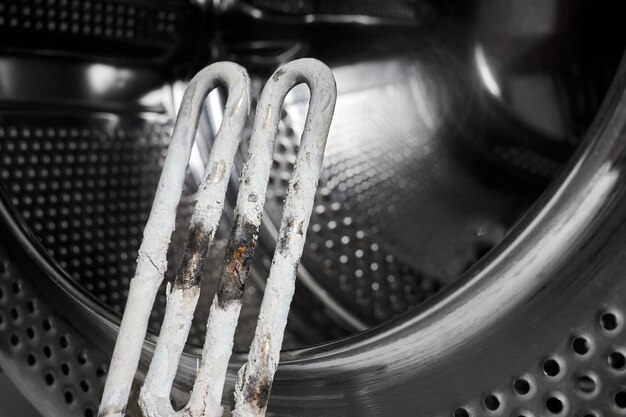
When the water doesn’t heat up properly, your machine may have a faulty heating element or thermostat. This not only reduces wash effectiveness but may also cause musty odors or poor detergent performance. Replacing defective heating components will usually resolve the issue.
Challenges of DIY Washing Machine Repairs
Specialized Tools Required
Fixing a washing machine often requires specific tools such as torque wrenches, multimeters, and motor pullers. Without them, you risk causing further damage. If you're not experienced, it’s safer to contact a qualified service technician.
Risk of Damaging Other Components
Opening the machine or replacing parts without proper training could damage electrical wires, hoses, or the control panel. A single wrong move might make the problem worse. Always consider the risks before attempting a repair yourself.
Difficulties Diagnosing the Problem
Many malfunctions have similar symptoms. For instance, a machine that doesn’t start could have issues with the power supply, control board, door lock, or motor. Without proper diagnostic tools, identifying the exact cause is challenging. This is another reason to rely on experts.
How to Prevent Washing Machine Breakdowns
Regular Maintenance and Cleaning
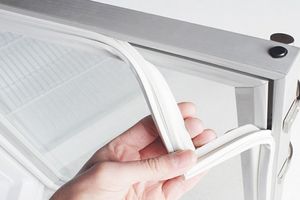
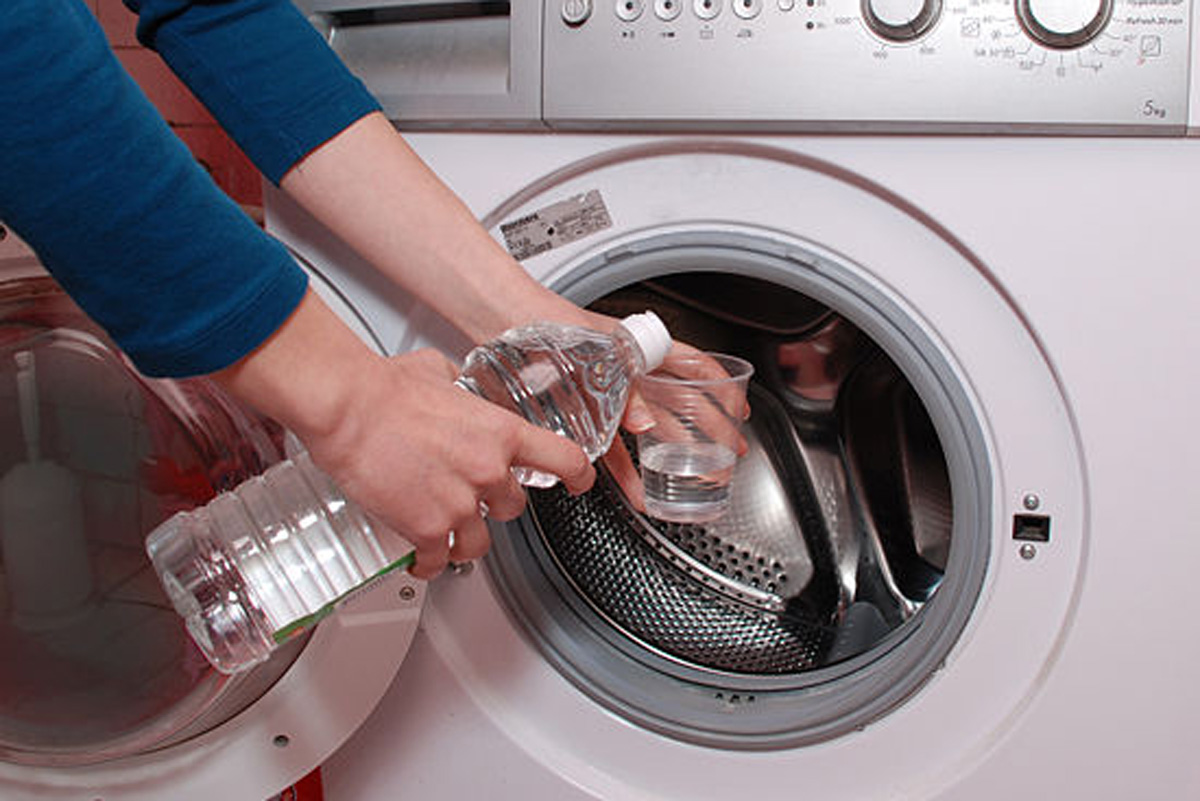
Routine cleaning of filters, the detergent drawer, and the drum can prevent buildup of debris that may block the system. Also, check the door seal for mold and damage. Regular maintenance extends your machine’s lifespan and keeps it running efficiently.
Use Quality Detergents
Cheap or incorrect detergents can cause residue, foam buildup, and scale. Always use high-quality detergents compatible with your machine and water type. Proper dosage is also key — too much can clog parts, too little may not clean effectively.
Follow Manufacturer Instructions
Lastly, always follow the instructions in your user manual. Use the correct washing modes, avoid overloading, and don’t neglect maintenance. These small steps go a long way in preventing breakdowns and costly repairs.
📌 If your washing machine is showing signs of trouble and you’re unsure how to proceed, check our blog for more repair guides or contact our support team for help. At Doctor House, we’re here to help you keep your appliances running smoothly!