Common Dryer Problems: DIY Repair & Spare Part Selection
Having a clothes dryer at home is a practical and convenient way to dry your laundry without relying on outdoor conditions. These appliances have become an essential part of daily life for many households. However, like any other device, dryers can malfunction. In this article, we’ll explore the most common dryer issues, how to troubleshoot and repair them yourself, and how to find the right replacement parts.
Main Causes of Dryer Malfunctions
Ventilation Issues
Clogged or blocked ventilation ducts are among the most frequent causes of dryer failure. When lint or dust builds up in the vents, airflow becomes restricted, causing the machine to overheat and potentially damaging the heating element. To prevent this, regularly clean the vents and inspect for blockages.
Also, be mindful of the air quality in the laundry area. High humidity or airborne chemicals can corrode internal parts or damage sensitive electronics. It’s important to maintain a clean and dry environment around the dryer.
Heating Element Failure
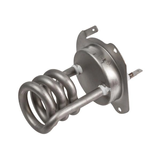
If your clothes are not drying properly or cycles take unusually long, the heating element may be defective. The heating element is critical to the dryer’s performance, warming the air that dries your laundry. Over time, it may degrade or burn out, requiring replacement.

Electronic Control Issues
Modern dryers are equipped with complex electronics that can malfunction due to power surges, faulty wiring, or moisture damage. If the dryer won’t turn on or behaves erratically, the control board or sensors may need repair or replacement. If you’re experienced with electronics, basic troubleshooting may help — otherwise, consult a technician.

DIY Dryer Repair: Step-by-Step
Preparing for Repair
Before starting any repair, disconnect the dryer from the power source. Review the user manual and exploded diagrams for your dryer model to understand which parts may need replacement and how to access them safely.
Tools and Materials
You’ll need a basic toolkit: screwdrivers, pliers, wire connectors, and wrenches. Also, make sure you have the correct replacement parts — preferably OEM or high-quality equivalents — for a reliable repair.
Repair Process
Follow the repair guide or manufacturer instructions step by step. Carefully remove faulty parts and install new ones. Avoid rushing — precision and attention to detail are essential. If unsure, look up video tutorials or seek professional assistance.
Selecting Spare Parts for Dryers
How to Choose Quality Parts
Always verify part compatibility with your dryer model. Original manufacturer parts ensure proper fit and long-term reliability. Be cautious with generic parts unless they're from a trusted source with good reviews.

Installation Tips
Clean the dryer interior before installing new parts. Dust and debris can affect performance or shorten the lifespan of new components. Check wiring and surrounding elements for signs of wear or damage.
Where to Buy Dryer Parts
You can find spare parts at online retailers, specialized appliance part stores, or through official brand dealers. Make sure the seller provides accurate part compatibility information and return policies.
In summary, dryers are a great addition to any home, but they require maintenance and occasional repairs. With the right knowledge and parts, you can fix many issues yourself — saving both time and money.