


|
Quantity
|
Out of stock
|
||
|
|
|||
|
|
|||
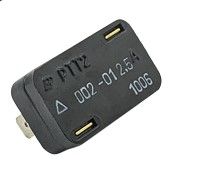
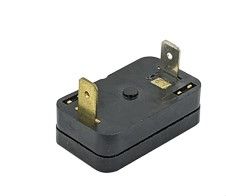
Thermal relay RTT-2, 2.5 A
Description: The RTT-2 thermal relay is a reliable device designed to protect electrical circuits from overloads and short circuits. It has a rated current of 2.5 A and can operate at a voltage of 220 (±22) V. This relay ensures the safe operation of household appliances and prevents damage in case of an emergency situation.
Technical specifications
| Parameter | Value |
|---|---|
| Current | 2.5 A |
| Voltage | 220 (±22) V (AC) |
| Connection | 2 terminals 6.3 mm |
| Type | Self-resetting |
| Temperature compensation | None |
| Current adjustment | None |
| Device dimensions | 36x21x22 mm |
Compatibility
Before purchasing the RTT-2 thermal relay, ensure that its specifications match those of your device. Pay attention to the current and voltage ratings, as well as the type of connection. If you are unsure about compatibility, it is advisable to consult a specialist or refer to the user manual of your appliance.
How to choose the right part
When selecting the RTT-2 thermal relay, consider the following recommendations:
- Check the technical specifications of your device and compare them with the relay's parameters.
- Ensure the required type of connection (6.3 mm terminals) is available.
- Pay attention to the rated current to avoid overloads.
Causes of relay failure and prevention of damage
The main causes of thermal relay failure may include:
- Current overload
- Transient voltage spikes
- Incorrect connection
To prevent failure, it is recommended to:
- Regularly check the condition of the electrical network and devices.
- Use voltage stabilizers to protect against spikes.
- Follow installation and connection guidelines for the relay.
Replacement recommendations
Replacing the RTT-2 thermal relay can be done independently by following these steps:
- Disconnect the device from the power supply for safety.
- Remove the cover or access panel to the relay installation area.
- Disconnect the old relay, carefully detaching the wires from the terminals.
- Install the new relay, connecting the wires to the appropriate terminals.
- Close the device cover and reconnect it to the power supply.
- Check the functionality of the device after replacement.
Replacement difficulty: Low. Replacing the relay typically does not require special skills and can be done with standard tools.