


|
Quantity
|
Out of stock
|
||
|
|
|||
|
|
|||
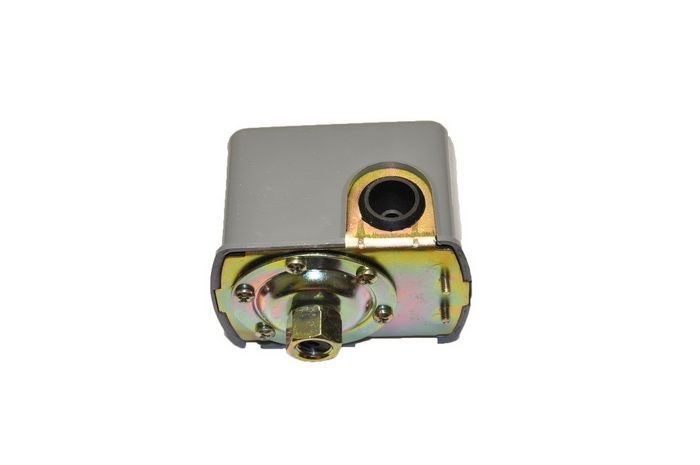
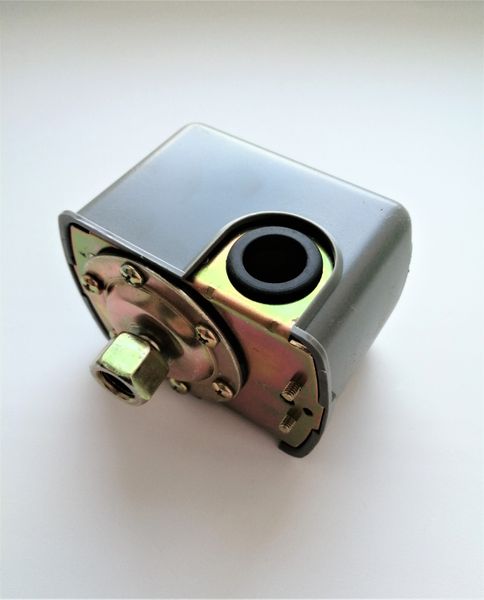
Universal pressure switch, 1-5 bar
Description: A pressure switch is an important component used in various systems to monitor pressure levels. This model has an operating pressure range of 1 to 5 bar and is suitable for connection using a 1/4" nut. With this switch, you can effectively manage the operation of pumps and other devices, providing reliable protection against pressure fluctuations.
Technical specifications:
| Parameter | Value |
|---|---|
| Operating pressure range | 1-4.6 bar |
| Factory pressure setting | 1.4-2.8 bar |
| Number of contacts | 4 |
| Maximum current | 10 A |
| Connection type | 1/4" nut |
Compatibility:
This pressure switch is compatible with various models of pumps and systems operating within a pressure range of up to 5 bar. It is recommended to check your device's documentation before purchasing to ensure compatibility.
How to choose the right part:
- Check the pressure: Ensure that the pressure range of the switch meets the requirements of your device.
- Pay attention to the connection type: Make sure you have a 1/4" nut for installation.
- Check the maximum current: Ensure that the current passing through the switch does not exceed 10 A.
Causes of pressure switch failure:
A pressure switch may fail for the following reasons:
- Pressure fluctuations in the system.
- Incorrect installation or use of an incompatible model.
- Continuous operation at extreme pressure values.
To prevent failure, it is recommended to:
- Regularly check the condition of the system and the switch.
- Avoid operating at maximum pressure values.
Replacement recommendations:
- Disconnect power and water from the device.
- Remove the old pressure switch by carefully unscrewing the nut.
- Ensure that the sealing rings are in good condition and replace them if necessary.
- Install the new switch in place, tightening the nut.
- Reconnect power and check the operation of the switch.
Replacement difficulty:
Replacing the pressure switch is of medium difficulty. It can be handled by both a professional technician and a DIY enthusiast with basic tool skills. It is important to follow the instructions and exercise caution when working with electrical and water systems.