


|
Quantity
|
Out of stock
|
||
|
|
|||
|
|
|||
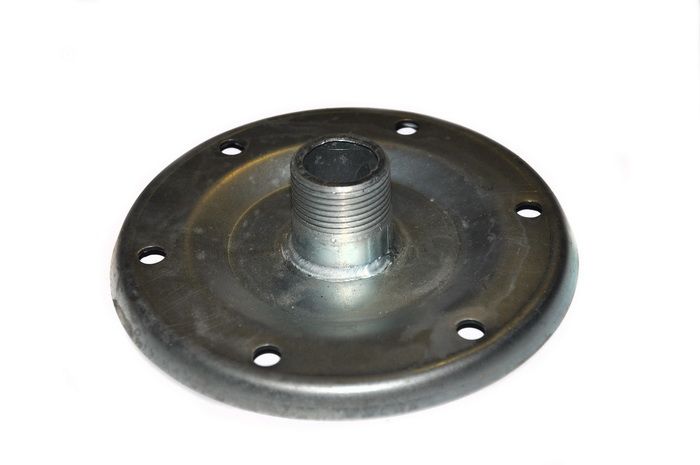
Flange for pressure tank 1" 0903 steel
Description: This 1" diameter flange for pressure tanks is made of galvanized steel and is designed for a reliable connection between pump equipment and pressure tanks. It ensures durability and corrosion resistance, making it an ideal choice for various water supply systems.
Specifications
| Type | Accessories for pressure tanks |
| Compatibility | Universal |
| Purpose | For pumps |
| Outer diameter | 157 mm |
| Inner diameter | 147 mm |
| Total height | 37 mm |
| Mounting | 6 holes Ø 9 mm, center-to-center distance 125 mm |
| Material | Galvanized steel |
| Quantity | 1 |
| Country of manufacture | Ukraine |
| Additional characteristics | Compatible with pressure tanks with capacities of 24, 50, and 100 liters |
Compatibility
The flange is suitable for various systems due to its universal application. It can be used with pressure tanks with capacities of 24, 50, and 100 liters, making it a suitable option for most residential and commercial water supply systems.
How to choose the right part
When selecting a flange for a pressure tank, pay attention to the following parameters:
- Diameter: Ensure that the flange dimensions match the diameter of your pressure tank.
- Material: Galvanized steel provides corrosion protection, which is important for long-term use.
- Mounting: Check the number and placement of mounting holes to avoid mismatches during installation.
Causes of failure and precautions
The main causes of flange failure include:
- Corrosion due to moisture exposure.
- Improper installation, which can lead to mechanical damage.
- Pressure fluctuations that can cause deformation.
To avoid these issues, it is recommended to:
- Regularly check the condition of the flange and other system components.
- Use sealants and gaskets to prevent leaks.
- Install the flange following all manufacturer instructions and recommendations.
Replacement recommendations
Replacing the flange is quite simple and can be done by yourself. Follow these steps:
- Turn off the pump and relieve the system of pressure.
- Remove the old flange by carefully unscrewing the bolts.
- Clean the connection surfaces of rust and sealant residue.
- Install the new flange, ensuring it is properly aligned.
- Secure the flange with bolts, following the recommended torque specifications.
- Reconnect the system and check for leaks.
Replacement difficulty
Replacing the flange is a moderately difficult task and can be performed by anyone with basic tool skills. However, if you lack experience, it is advisable to consult a professional.